
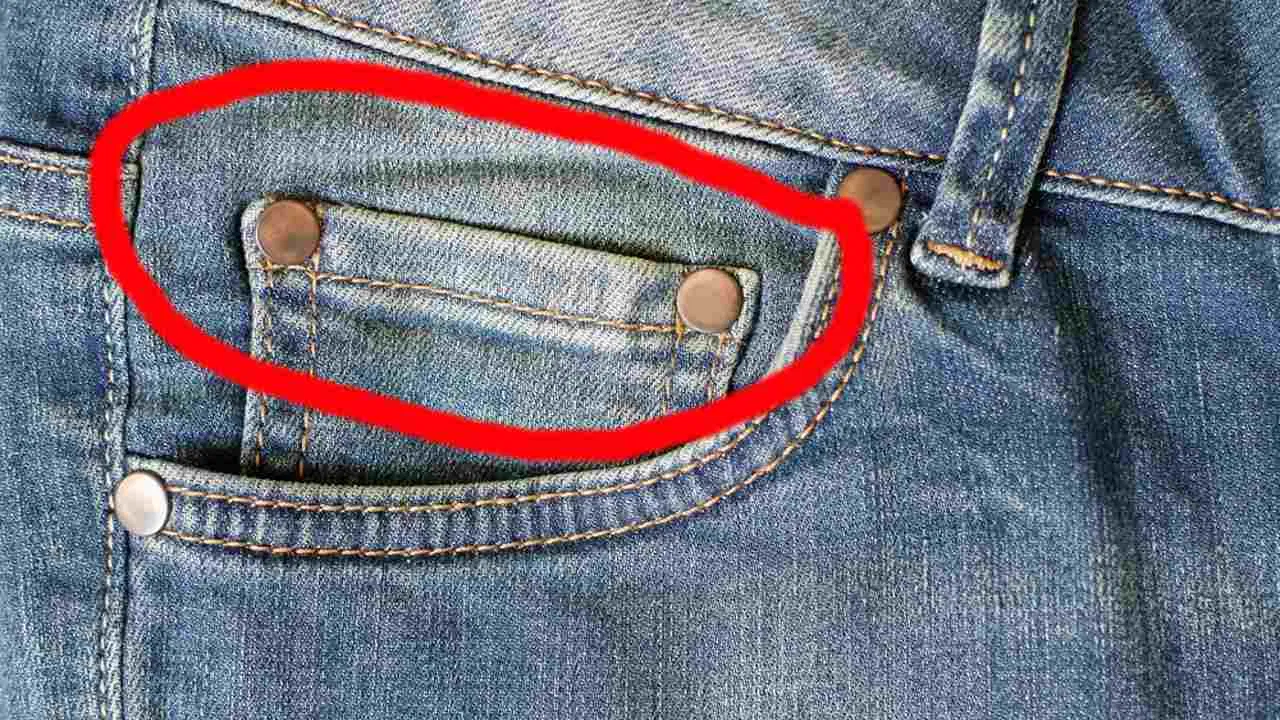
Have you ever slipped your hand into your jeans and wondered about that tiny pocket stitched inside the front right pocket? It’s too small for a phone, barely fits a coin, and yet it has survived for over a century. Strange, isn’t it? If you’ve ever asked yourself, “Expert Answer: जींस में छोटी जेब क्यों होती है?” — you’re not alone.
That little detail, often ignored, actually carries a rich history rooted in American workwear, industrial design, and timeless fashion. In this detailed guide, we’ll explore the origin, purpose, evolution, and modern relevance of the small pocket in jeans. Along the way, we’ll uncover how a simple design feature became a permanent part of denim culture worldwide.
Let’s dive deep into the fascinating world of jeans.
The Origin of Jeans and the Birth of the Tiny Pocket
To understand Expert Answer: जींस में छोटी जेब क्यों होती है?, we need to travel back to the 19th century. Jeans were originally designed as durable workwear for miners, laborers, and cowboys. The story begins with Levi Strauss, who partnered with Jacob Davis in 1873 to create reinforced denim pants using copper rivets.
These pants were built for function, not fashion. Workers needed sturdy trousers that could withstand rough conditions, heavy tools, and long days in gold mines. Every stitch had a purpose.
And that tiny pocket? It wasn’t random.
The Original Purpose: The Watch Pocket
The small pocket in jeans was originally designed as a watch pocket. In the late 1800s, wristwatches were not common. Men carried pocket watches attached to a chain. These timepieces were delicate and expensive.
To protect them from scratches, dust, and accidental damage, jeans manufacturers added a small, reinforced pocket inside the larger front pocket. This snug compartment kept the watch secure during physical labor.
So when people ask, “Expert Answer: जींस में छोटी जेब क्यों होती है?” — the historical truth is simple: it was made to hold a pocket watch.
Why Is It Still There Today?
Here’s where things get interesting.
Pocket watches faded away as wristwatches became popular in the 20th century. Yet, the tiny pocket remained. Why?
Tradition Meets Branding
Fashion often keeps traditions alive. The small pocket became part of the classic five-pocket design, which includes:
-
Two front pockets
-
Two back pockets
-
One small watch pocket
This five-pocket style became iconic in denim fashion. Removing it would change the silhouette and heritage identity of jeans.
Brands like Levi Strauss & Co. preserved this feature to maintain authenticity and craftsmanship appeal. Over time, the small pocket became a symbol of traditional denim construction.
In other words, even if the purpose changed, the design stayed.
Modern Uses of the Small Pocket
Although it was originally created for pocket watches, today the small pocket serves many new purposes.
Here’s how people use it now:
-
Coins
-
Guitar picks
-
USB drives
-
Lighters
-
Rings
-
SIM cards
-
Memory cards
-
Small keys
-
Earbuds
-
Folded cash
Interestingly, some people call it a coin pocket, while others refer to it as a ticket pocket, condom pocket, or even a match pocket. The name may vary, but the function remains practical.
So if someone asks again, “Expert Answer: जींस में छोटी जेब क्यों होती है?” — you can say it evolved from a watch pocket into a multipurpose mini storage space.
The Evolution of Denim Design
Denim fashion has transformed dramatically over the decades. From workwear to runway, jeans became a global phenomenon.
In the 1950s, Hollywood icons popularized denim culture. Actors like James Dean turned blue jeans into a symbol of rebellion and youth identity. Suddenly, jeans weren’t just durable trousers; they were fashion statements.
Despite trends like skinny jeans, ripped denim, high-waisted styles, bootcut fits, and stretch fabric innovations, the small pocket survived every wave of change.
Why? Because it represents heritage.
Is the Small Pocket Still Functional?
Let’s be honest. Most modern smartphones won’t fit in it. Neither will car keys or wallets. However, functionality isn’t always about size.
Practical Benefits Today
-
Keeps small valuables separate
-
Prevents coins from mixing with larger items
-
Adds extra organization
-
Reinforces front pocket stitching
-
Maintains structural symmetry
Moreover, designers argue that removing it would make jeans look incomplete. The pocket contributes to the balance of the front design.
In fashion manufacturing, even tiny details matter.
Cultural Significance of the Tiny Pocket
Beyond practicality, the small pocket holds symbolic value. It connects modern wearers to the industrial era of the American West.
Jeans represent:
-
Hard work
-
Rugged durability
-
Timeless style
-
Individual expression
-
Cultural identity
From cowboys to rock stars, from factory workers to fashion influencers, denim became universal.
The tiny pocket quietly witnessed this transformation.
A Closer Look at the Five-Pocket Structure
Here’s a quick breakdown of traditional jeans construction:
| Pocket Type | Original Purpose | Modern Use |
|---|---|---|
| Front Left Pocket | Tool storage | Phone, wallet |
| Front Right Pocket | Tool storage | Keys, phone |
| Small Watch Pocket | Pocket watch | Coins, small items |
| Back Left Pocket | Storage | Wallet |
| Back Right Pocket | Storage | Accessories |
This structure remains standard in most denim brands worldwide.
So again, when we explore “Expert Answer: जींस में छोटी जेब क्यों होती है?”, we see it’s part of a complete design philosophy.
Fashion Psychology: Why We Love Tiny Details
Consumers subconsciously value heritage details. Small elements suggest authenticity, craftsmanship, and history.
Minimalist fashion still respects legacy construction. Even premium denim brands keep the tiny pocket because it signals traditional quality.
Moreover, vintage-inspired clothing often recreates old rivets, selvedge denim edges, and reinforced stitching — including the small pocket.
It’s not just fabric. It’s storytelling.
Does Every Pair of Jeans Have It?
Not always.
While classic blue jeans maintain the five-pocket style, some modern variations remove or modify it:
-
Jeggings
-
Athletic denim
-
Cargo jeans
-
Designer experimental cuts
-
Minimalist trousers
However, traditional straight-fit, slim-fit, bootcut, and relaxed-fit jeans almost always include it.
Manufacturers understand that consumers expect this feature.
Denim Innovation and the Future
Fashion continues evolving. Sustainable denim, recycled cotton, organic fabric blends, and stretch technology dominate modern production.
Still, the tiny pocket survives.
Why?
Because design traditions build trust. Removing it might feel like removing a signature detail from a classic painting.
And honestly, even if you rarely use it, you’d probably notice if it disappeared.
Fun Facts About the Small Pocket
-
It dates back to 1873.
-
It was first called a watch pocket.
-
It helped protect expensive timepieces.
-
It became part of denim branding.
-
It survived over 150 years of fashion change.
-
It symbolizes durability and authenticity.
Now that’s impressive for such a tiny piece of fabric.
Why This Question Still Trends Today
Search queries like “Expert Answer: जींस में छोटी जेब क्यों होती है?” remain popular because people are naturally curious about everyday objects.
We wear jeans almost daily. Yet, we rarely question their design.
This curiosity drives fashion history research, textile studies, and even product innovation discussions.
Simple questions often lead to fascinating discoveries.
Final Thoughts: The Tiny Pocket with a Big Story
So, let’s summarize clearly.
When someone asks, Expert Answer: जींस में छोटी जेब क्यों होती है?, the real answer lies in history. It was originally designed to hold pocket watches during the 19th century. Over time, it evolved into a versatile mini pocket while remaining a symbol of denim heritage.
It survived industrial revolutions, world wars, fashion trends, Hollywood influence, and modern design innovation. Today, it may hold coins instead of watches, but its legacy remains intact.
Next time you put on your jeans, take a closer look at that small pocket. It’s more than just extra stitching. It’s a reminder that even the tiniest design detail can carry generations of history.
If you found this article insightful, share it with someone who loves fashion trivia. And the next time someone wonders, “Expert Answer: जींस में छोटी जेब क्यों होती है?” — you’ll have the perfect answer ready.