
Have you ever stared at your inbox, waiting for a reply that never comes?
You carefully wrote your message. You checked the spelling. You even re-read it twice. And still—silence.
The truth is, most emails fail not because the idea is bad, but because the format is wrong. Structure matters. Tone matters. Even the spacing matters. If you want better response rates, you need more than good intentions. You need a proven system.
This Email Writing Format Guide That Gets Replies will show you exactly how to structure your message, choose the right subject line, write compelling openings, and end with a clear call to action. Whether you’re writing a business email, sales email, follow-up email, job application, or client proposal, this guide will help you craft messages people actually respond to.
Let’s break it down step by step.
Why Email Format Matters More Than You Think
People don’t read emails the way they read books. They scan.
A cluttered message with long paragraphs, no spacing, and vague language gets ignored. On the other hand, a well-structured email with a clear purpose, concise sentences, and professional formatting feels easy to reply to.
A strong email format improves:
-
Email open rate
-
Response rate
-
Reader engagement
-
Professional image
-
Brand credibility
-
Conversion rate
-
Customer communication
-
Business communication
When you follow an Email Writing Format Guide That Gets Replies, you reduce friction. You make it simple for the recipient to understand your request and take action.
And simplicity wins.
The Core Structure of an Effective Email
Every high-performing email follows a predictable structure. Think of it like a blueprint.
1. Subject Line: Your First Impression
Your subject line determines whether your email gets opened or ignored.
A great subject line is:
-
Clear, not clever
-
Short (6–10 words ideally)
-
Specific
-
Relevant to the recipient
-
Personalized when possible
Examples:
-
Quick Question About Your Marketing Strategy
-
Proposal for Collaboration Next Week
-
Follow-Up on Our Meeting
Avoid spam triggers like “FREE,” excessive punctuation, or all caps. Use power words carefully and focus on clarity over hype.
In this Email Writing Format Guide That Gets Replies, remember this rule: if your subject line is weak, nothing else matters.
2. Professional Greeting
Start with a polite and appropriate greeting.
-
Dear Mr. Smith
-
Hello Sarah
-
Hi James
-
Good Morning
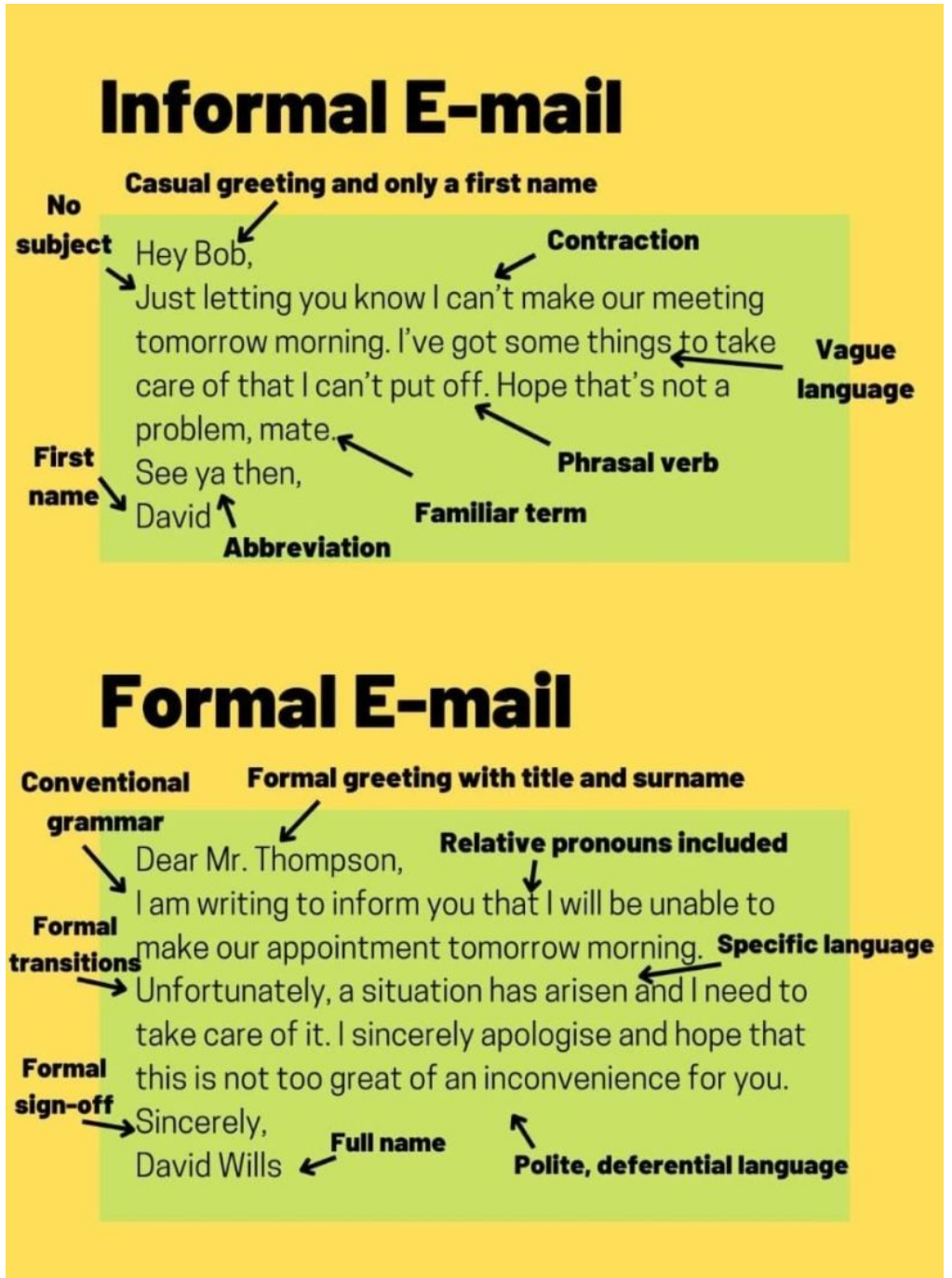
Match the tone to your relationship. For formal communication, use full names and titles. For internal emails or casual communication, first names work fine.
Avoid generic openings like “To whom it may concern” unless absolutely necessary.
3. Strong Opening Line
The first sentence should set context immediately.
Bad example:
“I hope you are doing well.”
Better example:
“I’m reaching out regarding the proposal we discussed last Friday.”
A strong opening:
-
Mentions the purpose
-
References a previous conversation
-
Shows relevance
-
Demonstrates value
This is one of the most important elements in any Email Writing Format Guide That Gets Replies.
Writing the Body: Clear, Concise, and Purpose-Driven
The body of your email should be:
-
Focused
-
Easy to scan
-
Structured with short paragraphs
-
Written in plain language
Use Short Paragraphs
No paragraph should be longer than 3–4 lines. White space improves readability and encourages engagement.
Be Specific
Instead of:
“I wanted to follow up.”
Write:
“I wanted to follow up on the marketing proposal I sent on February 10.”
Specificity increases clarity. Clarity increases replies.
Add Value
Explain why your email matters to the reader. Focus on benefits, not just information.
For example:
-
How it helps their business
-
How it solves a problem
-
How it saves time
-
How it improves results
A well-crafted email message should feel relevant and purposeful, not random.
Use Bullet Points for Clarity
When listing information, use bullet points:
-
Project timeline
-
Budget breakdown
-
Key deliverables
-
Next steps
This improves readability and reduces cognitive load.
Following this Email Writing Format Guide That Gets Replies ensures your content stays structured and compelling.
Tone and Language: Professional Yet Human
Tone is everything in email communication.
Your writing style should be:
-
Professional
-
Friendly
-
Respectful
-
Direct
-
Conversational
Avoid overly complex vocabulary. Simple sentences work better.
Instead of:
“Please be advised that I am in receipt of your correspondence.”
Write:
“Thank you for your email.”
Use active voice whenever possible. It sounds confident and clear.
Transition Words Improve Flow
Use transition words naturally:
-
However
-
Therefore
-
In addition
-
Moreover
-
Meanwhile
-
As a result
-
For example
-
On the other hand
These improve readability and coherence.
A good Email Writing Format Guide That Gets Replies always emphasizes natural flow.
The Power of a Clear Call to Action
Never end an email without a clear next step.
What do you want the recipient to do?
-
Schedule a meeting
-
Confirm availability
-
Review a document
-
Approve a proposal
-
Provide feedback
Examples of strong calls to action:
-
“Could you confirm by Thursday?”
-
“Let me know a time that works for you.”
-
“Please share your thoughts by Friday.”
Vague endings reduce response rates. Clear instructions increase them.
In any effective Email Writing Format Guide That Gets Replies, the call to action is non-negotiable.
Closing and Email Signature
End your email professionally.
Common email closings:
-
Best regards
-
Kind regards
-
Sincerely
-
Thank you
-
Warm regards
Then include a professional email signature:
-
Full name
-
Job title
-
Company name
-
Contact information
-
Website (if applicable)
A clean email signature improves credibility and brand image.
Email Writing Format for Different Situations
Not all emails are the same. However, the core structure remains consistent.
Business Email Format
Use formal language, professional tone, and structured formatting. Keep paragraphs short and include clear objectives.
Follow-Up Email Format
Reference previous communication. Be polite but direct.
Example structure:
-
Reminder of previous email
-
Brief summary
-
Clear call to action
Sales Email Format
Focus on value proposition, customer pain points, and benefits.
Include:
-
Personalized opening
-
Problem identification
-
Solution
-
Social proof
-
Clear next step
Job Application Email Format
Include:
-
Position name
-
Relevant skills
-
Attached resume mention
-
Availability for interview
Each scenario benefits from this Email Writing Format Guide That Gets Replies because the fundamentals never change.
Common Email Writing Mistakes to Avoid
Even small errors reduce credibility.
Avoid:
-
Spelling mistakes
-
Grammar errors
-
Overly long emails
-
Lack of formatting
-
Aggressive tone
-
Unclear subject lines
-
No call to action
-
Too many attachments
-
Unnecessary jargon
Proofread every message before hitting send.
Good email etiquette shows professionalism and respect.
Advanced Tips to Increase Email Response Rate
If you want to go beyond basic formatting, consider these strategies.
Personalization
Use the recipient’s name. Mention specific details about their business, project, or recent achievement.
Personalized emails feel intentional.
Timing Matters
Send emails during business hours. Mid-morning often performs better than late night.
Keep It Short
Brevity increases replies. If it takes more than 2–3 minutes to read, shorten it.
Use Social Proof
Mention testimonials, results, or shared connections when relevant.
Follow Up Strategically
If there’s no reply, send a polite follow-up after 3–5 days.
A well-timed follow-up often doubles your response rate.
This Email Writing Format Guide That Gets Replies works best when combined with smart communication strategy.
Sample Email Template
Here’s a simple structure you can adapt:
Subject: Quick Question About Your Project
Hi Sarah,
I’m reaching out regarding the website redesign project you mentioned last week.
Based on what you shared, I believe we can help improve your user experience and increase conversion rates through a streamlined layout and optimized content structure.
Would you be available for a 15-minute call this week to discuss next steps?
Best regards,
John Smith
Marketing Consultant
Notice how it’s:
-
Clear
-
Concise
-
Purpose-driven
-
Easy to reply to
This is exactly what an Email Writing Format Guide That Gets Replies aims to teach.
SEO and Email Writing: Why Structure Matters Online Too
Even though emails aren’t blog posts, the same writing principles apply:
-
Clear headings (in longer emails)
-
Logical structure
-
Readability
-
Keyword relevance (for marketing emails)
-
Scannable formatting
-
Compelling messaging
Whether you’re writing email campaigns, newsletters, cold emails, or internal communication, formatting impacts performance.
Strong structure improves:
-
Email marketing results
-
Customer engagement
-
Brand authority
-
Professional communication
-
Digital communication effectiveness
When you master this Email Writing Format Guide That Gets Replies, you improve not just replies—but relationships.
Quick Checklist: Before You Hit Send
Use this checklist:
-
Is the subject line clear?
-
Is the greeting appropriate?
-
Is the purpose obvious in the first sentence?
-
Are paragraphs short and readable?
-
Is the tone professional?
-
Is there a clear call to action?
-
Did you proofread?
-
Is the email concise?
If the answer is yes to all, you’re ready.
Final Thoughts: Write Emails People Want to Answer
At the end of the day, email writing is about respect.
Respect for the reader’s time. Respect for clarity. Respect for communication.
This Email Writing Format Guide That Gets Replies isn’t about tricks or manipulation. It’s about structure, simplicity, and strategy.
When your emails are clear, concise, and purposeful, people respond.
Start applying these techniques today:
-
Improve your subject lines
-
Tighten your paragraphs
-
Clarify your calls to action
-
Personalize your messages
-
Follow up professionally
You’ll notice the difference quickly.
If this guide helped you rethink how you approach email communication, share it with your team or leave a comment with your biggest email challenge. The better we write, the better we connect—and better connections always lead to better results.