
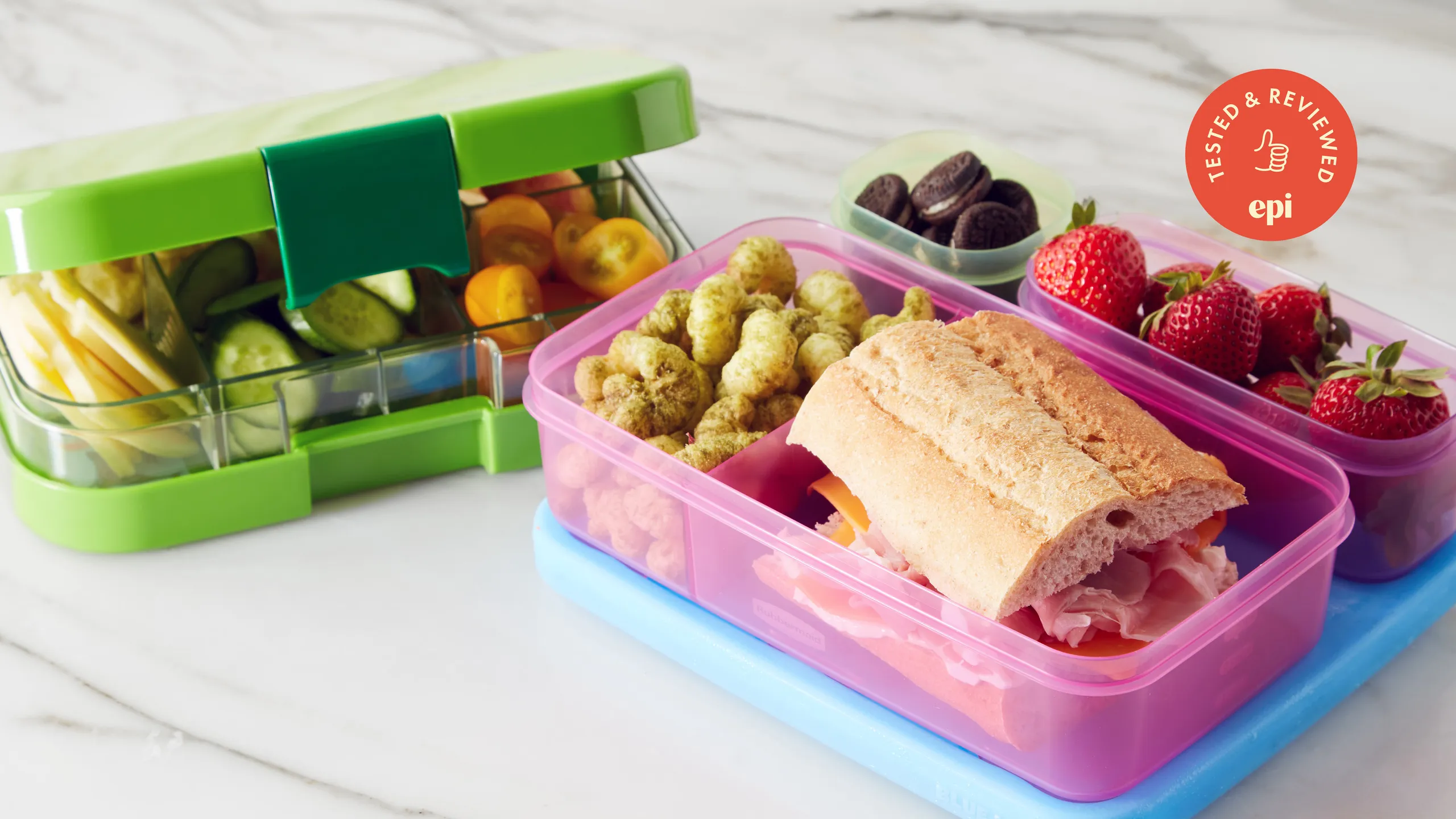
Have you ever opened your bag at lunchtime only to find soup leaking through your notebook or a crushed sandwich smashed beyond recognition? We’ve all been there. A cheap container might look fine on the shelf, but when it comes to real-life use—school mornings, office commutes, road trips—it simply doesn’t hold up.
That’s why investing in a durable lunch box isn’t just a small purchase. It’s a daily convenience, a money-saver, and sometimes even a health decision. In this guide, I’ll walk you through everything you need to know before buying one—from materials and insulation to cleaning tips and long-term value. By the end, you’ll feel confident choosing a durable lunch box that truly fits your lifestyle.
Let’s dive in.
Why Choosing a Durable Lunch Box Actually Matters
At first glance, a lunch container seems simple. It holds food. That’s it, right? Not exactly.
A durable lunch box protects your meals, maintains food safety, preserves freshness, and saves you from constantly replacing broken containers. Moreover, it helps reduce single-use plastic waste, which is better for the environment.
Here’s what a high-quality, durable lunch box can offer:
-
Long-lasting performance
-
Leak-proof design
-
Proper insulation
-
Safe food storage
-
Easy cleaning
-
Sustainable materials
-
Stylish appearance
-
Strong latches and hinges
-
Odor resistance
-
Temperature control
When you think about it, that’s a lot for one everyday item.
Key Materials: What Makes a Lunch Box Durable?
The material determines how long your lunch box will survive daily wear and tear. Let’s explore the most popular options.
Stainless Steel Lunch Boxes
If durability is your top priority, stainless steel is hard to beat. It’s:
-
Rust-resistant
-
BPA-free
-
Non-toxic
-
Odor-resistant
-
Highly durable
A stainless steel durable lunch box can handle drops, rough handling, and years of daily use. It doesn’t stain easily, and it won’t absorb flavors from previous meals.
However, stainless steel containers are usually not microwave-safe. That’s something to keep in mind.
BPA-Free Plastic Lunch Boxes
Modern BPA-free plastic lunch boxes are lightweight and affordable. A good-quality plastic durable lunch box can be quite resilient, especially those with reinforced corners and secure locking lids.
Look for:
-
Thick, food-grade plastic
-
Dishwasher-safe labels
-
Microwave-safe markings
-
Strong snap-lock lids
Lower-quality plastic tends to crack, warp, or stain over time. So always choose premium-grade materials.
Glass Containers with Protective Shells
Glass lunch containers offer a clean, non-reactive surface. They’re ideal for meal prep and reheating. However, glass alone isn’t the most durable choice unless it has:
-
Silicone sleeves
-
Shock-resistant covers
-
Reinforced corners
If paired with a protective exterior, a glass-based durable lunch box can be a smart option.
Insulated Fabric Lunch Bags
These aren’t food containers themselves, but insulated lunch bags protect your lunch box and help maintain temperature.
Look for:
-
Thermal insulation lining
-
Water-resistant exterior
-
Heavy-duty zippers
-
Reinforced stitching
An insulated bag combined with a durable lunch box is the ultimate combo for temperature control.
Insulation: Keeping Food Fresh for Hours
Insulation is critical, especially for kids’ lunches or long workdays.
Types of Insulation
-
Foam insulation
-
Thermal lining
-
Double-wall stainless steel
-
Ice pack compartments
A high-quality insulated durable lunch box can maintain cold temperatures for 4–8 hours, depending on external conditions. For hot meals, vacuum-sealed stainless steel options are excellent.
If food safety matters to you—and it should—proper temperature control prevents bacterial growth.
Leak-Proof Design: A Non-Negotiable Feature
Nothing ruins your day like spilled curry or leaking salad dressing.
When evaluating a durable lunch box, check for:
-
Silicone sealing rings
-
Airtight lids
-
Secure locking mechanisms
-
Rubber gaskets
-
Snap-tight closures
Test reviews often reveal whether a product truly delivers on its leak-proof promise. Remember, “spill-resistant” is not the same as “leak-proof.”
Size and Compartments: Function Meets Practicality
Do you pack salads? Sandwiches? Full meal prep portions?
Choose a durable lunch box based on your eating habits.
Common Size Options
-
Small (for snacks or kids)
-
Medium (standard office lunch)
-
Large (meal prep or athletes)
Compartment Styles
-
Bento-style sections
-
Removable dividers
-
Stackable tiers
-
Separate sauce containers
A compartment lunch box keeps food organized and prevents mixing flavors.
Easy Cleaning and Maintenance
If it’s hard to clean, you won’t enjoy using it.
A durable lunch box should be:
-
Dishwasher-safe
-
Stain-resistant
-
Mold-resistant
-
Easy to disassemble
Stainless steel and glass are generally easier to maintain than textured plastic. Additionally, removable silicone seals help prevent hidden buildup.
Child-Friendly vs. Adult Lunch Boxes
Not all lunch boxes are created equal.
For Kids
Look for:
-
Lightweight design
-
Easy-open latches
-
Cartoon or colorful themes
-
Drop-resistant structure
-
Rounded edges
A durable lunch box for school should survive being tossed into backpacks daily.
For Adults
Adults may prioritize:
-
Professional design
-
Larger capacity
-
Microwave-safe materials
-
Minimalist style
-
Meal prep compatibility
A sleek, durable lunch box can fit seamlessly into an office environment.
Eco-Friendly and Sustainable Choices
More people today care about sustainability. And rightfully so.
Reusable lunch boxes reduce single-use packaging and plastic waste. A long-lasting durable lunch box supports:
-
Zero-waste living
-
Eco-conscious habits
-
Sustainable materials
-
Reduced landfill contribution
Stainless steel, bamboo fiber, and high-grade recyclable plastic are environmentally friendly options.
Durability Checklist: What to Inspect Before Buying
Here’s a quick checklist you can use in-store or online:
-
Thick material construction
-
Reinforced hinges
-
Secure latch system
-
Strong lid alignment
-
Silicone gasket seal
-
Scratch-resistant surface
-
Heat-resistant body
-
Shock-proof design
-
Rust-proof coating
-
Long warranty
If a durable lunch box checks most of these boxes, it’s worth considering.
Comparing Popular Types of Lunch Boxes
Below is a simple comparison table to help you decide.
| Type | Durability | Insulation | Microwave Safe | Weight | Best For |
|---|---|---|---|---|---|
| Stainless Steel | Very High | Moderate (unless insulated) | No | Medium | Long-term use |
| BPA-Free Plastic | Medium-High | Low | Yes | Light | Daily office/school |
| Glass | Medium | Low | Yes | Heavy | Meal prep |
| Insulated Bento | High | High | Sometimes | Medium | Kids & commuters |
A well-built durable lunch box usually balances durability with practicality.
Price vs. Value: What Should You Spend?
You’ll find lunch boxes ranging from $10 to over $60.
Here’s the truth: the cheapest option often costs more in the long run. Cracked lids, broken latches, or warping plastic mean replacements.
A mid-range durable lunch box ($25–$40) often delivers the best value. Premium stainless steel models may cost more but last for years.
Think long-term. Cost per use matters more than the price tag.
Travel and Commuting Considerations
If you commute daily, durability becomes even more important.
Consider:
-
Compact design
-
Lightweight body
-
Insulated carry handle
-
Backpack-friendly shape
-
Spill-proof seals
For road trips or long travel days, a durable lunch box with thermal insulation and freezer packs is ideal.
Food Safety and Health Factors
Health should never be overlooked.
Make sure your durable lunch box is:
-
BPA-free
-
Phthalate-free
-
Food-grade certified
-
Non-toxic
-
Free from harmful chemicals
In addition, ensure it doesn’t retain odors or stains, especially when storing acidic foods.
Aesthetic Appeal: Because Looks Matter Too
Let’s be honest—style counts.
Modern lunch boxes come in sleek matte finishes, pastel colors, stainless steel polish, and minimal designs. A visually appealing durable lunch box makes you more likely to use it daily.
After all, we eat with our eyes first.
Common Mistakes to Avoid
When buying a durable lunch box, avoid these common errors:
-
Choosing based only on price
-
Ignoring insulation needs
-
Overlooking latch quality
-
Forgetting dishwasher compatibility
-
Buying too small or too large
-
Not checking for leak-proof claims
A little research goes a long way.
How to Extend the Life of Your Durable Lunch Box
Even the best product needs care.
Here are practical maintenance tips:
-
Wash after each use
-
Dry thoroughly before storing
-
Replace silicone seals if worn
-
Avoid harsh scrubbing
-
Store with lid open to prevent odor
-
Avoid extreme temperature shocks
Proper care ensures your durable lunch box lasts for years.
Final Thoughts: Invest Once, Enjoy Daily
A durable lunch box might seem like a small purchase. However, it affects your daily routine more than you realize. It protects your meals, saves money, reduces waste, and supports healthier eating habits.
Instead of buying a cheap container that cracks within months, choose quality. Look for strong materials, reliable insulation, secure seals, and easy cleaning. Think about your lifestyle—school, office, travel, or meal prep—and select accordingly.