
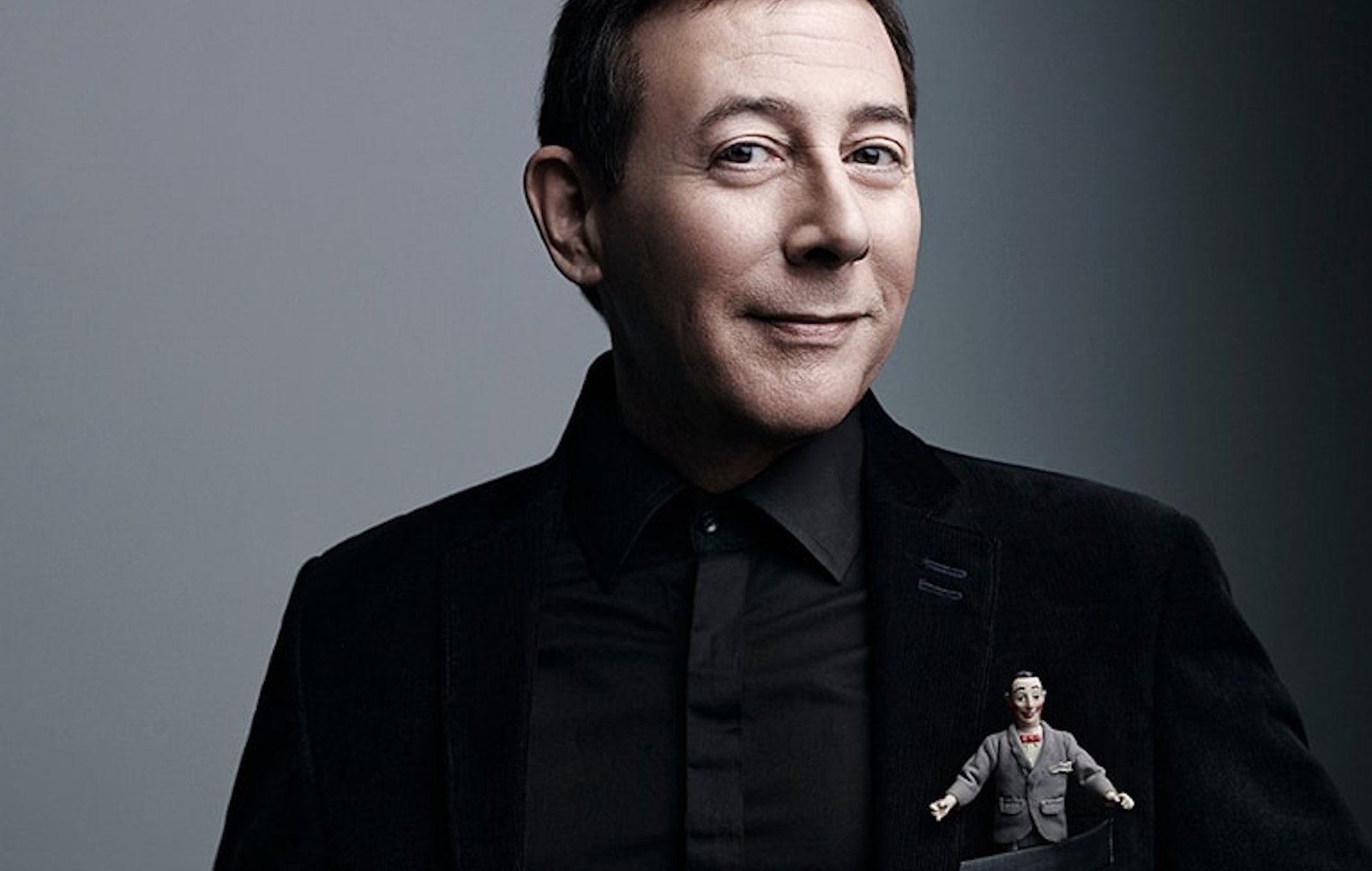
There are entertainers who make you laugh. And then there are rare artists who create an entire universe—one so vivid and original that it becomes part of pop culture forever. Paul Reubens was exactly that kind of creative force.
For millions of fans, he wasn’t just a comedian or actor. He was imagination personified. Through bold performance art, eccentric humor, and fearless originality, Paul Reubens carved out a place in entertainment history that still feels unmatched.
But who was the man behind the bow tie? How did he build one of the most recognizable characters in television history? And why does his influence still echo across comedy, children’s television, and alternative culture today?
Let’s take a deep dive into the life, career, controversies, and cultural legacy of Paul Reubens.
Early Life and Creative Beginnings
Paul Reubens was born in Sarasota, Florida, a city known for its connection to circus arts and performance culture. Growing up in an environment that celebrated spectacle and theatricality, he developed a fascination with old Hollywood films, vaudeville acts, and classic television.
Even as a child, Paul Reubens loved performing. He staged backyard shows and immersed himself in storytelling. That early spark would later evolve into something far bigger than anyone could have predicted.
After high school, he studied theater arts and eventually moved to Los Angeles to pursue acting professionally. There, he joined the famed improv troupe The Groundlings. This would prove to be a turning point.
It was within this experimental comedy group that Paul Reubens developed the character that would change his life forever.
The Birth of Pee-wee Herman
While performing with The Groundlings, Paul Reubens created the eccentric, childlike character Pee-wee Herman. With a gray suit, red bow tie, squeaky voice, and exaggerated mannerisms, Pee-wee was unlike anything audiences had seen.
At first, the character appeared in stage shows aimed at adults. The humor was absurd, ironic, and slightly surreal. Yet audiences couldn’t get enough.
Soon, the character outgrew the small theater circuit.
From Stage to Screen
In 1985, Pee-wee leaped onto the big screen with Pee-wee’s Big Adventure, directed by a then-rising filmmaker named Tim Burton. The movie was a quirky road-trip comedy filled with visual gags, offbeat humor, and unforgettable scenes.
It became a cult classic.
The film’s success turned Paul Reubens into a household name almost overnight. Children adored Pee-wee’s innocence and silliness. Adults appreciated the layered humor and artistic eccentricity.
That balance—appealing to both kids and grown-ups—became a signature strength of Paul Reubens.
Pee-wee’s Playhouse: A Television Revolution
In 1986, Paul Reubens brought Pee-wee to television with Pee-wee’s Playhouse. What followed was nothing short of groundbreaking.
On the surface, it looked like a children’s program. Bright colors. Talking furniture. Silly catchphrases. However, underneath that playful chaos was sophisticated design, avant-garde art direction, and clever satire.
The show won multiple Emmy Awards and developed a devoted fan base. It blended puppetry, stop-motion animation, visual comedy, and educational elements into something truly original.
Pee-wee’s Playhouse wasn’t just a TV show. It was:
-
A celebration of creativity
-
A showcase of experimental art
-
A masterclass in character acting
-
A cultural phenomenon
Moreover, it pushed the boundaries of children’s entertainment. Long before “family-friendly” became a marketing buzzword, Paul Reubens was creating layered content that respected young viewers’ intelligence.
Expanding Beyond the Character
Although Pee-wee Herman defined his career, Paul Reubens was far more versatile than many realized.
He appeared in numerous films and television shows outside of his signature role. For example, he had a memorable role in Blow, showcasing a darker, more dramatic side. He also appeared in the TV series Gotham, playing the father of the Penguin.
These performances reminded audiences that Paul Reubens was not simply a one-character performer. He was a skilled actor with range, subtlety, and sharp comedic timing.
In addition, he lent his voice to animated projects, appeared in guest roles, and collaborated with major networks like MTV and HBO.
Personal Controversies and Public Scrutiny
No honest look at Paul Reubens would be complete without addressing the controversies that impacted his career.
In the early 1990s, legal issues led to intense media scrutiny. The public reaction was swift and, at times, unforgiving. His children’s television persona made headlines even more sensational.
However, over time, public perception shifted. Many came to see him as a complex human being rather than just a character actor caught in scandal.
The resilience of Paul Reubens during this period is notable. Instead of disappearing entirely, he slowly rebuilt his reputation through consistent work and quiet dedication to his craft.
A Triumphant Return
Years later, Paul Reubens revived Pee-wee for stage performances and eventually brought the character to Broadway. The live show was a nostalgic yet fresh experience that sold out quickly.
In 2016, a new Pee-wee film premiered, introducing the character to a new generation. While the cultural landscape had changed dramatically since the 1980s, audiences still felt the charm.
That’s the thing about Paul Reubens. His work transcended trends.
BIO: Paul Reubens at a Glance
| Field | Details |
|---|---|
| Full Name | Paul Reubens |
| Date of Birth | August 27, 1952 |
| Age | 70 (at the time of his passing in 2023) |
| Profession | Actor, Comedian, Writer, Producer |
| Nationality | American |
| Net Worth (approx.) | $5–7 million |
| Notable Works / Achievements | Pee-wee Herman, Pee-wee’s Playhouse, Pee-wee’s Big Adventure, Emmy Award winner |
Why Paul Reubens Still Matters Today
It’s easy to label him as “the guy who played Pee-wee.” But that description barely scratches the surface.
Paul Reubens influenced:
-
Character-driven comedy
-
Alternative performance art
-
Sketch comedy writing
-
Children’s television production
-
Cult film culture
Moreover, his work inspired countless comedians and actors who embraced absurdity and bold self-expression.
In a media world often dominated by safe formulas, Paul Reubens chose originality. That courage remains relevant today.
Creative Genius Behind the Scenes
One of the most overlooked aspects of Paul Reubens was his creative control. He wasn’t just acting. He was writing, producing, conceptualizing, and shaping every detail of his projects.
The visual aesthetic of Pee-wee’s Playhouse, for example, drew inspiration from:
-
1950s kitsch
-
Pop art
-
Surrealism
-
Vintage television
-
DIY theater
That layered design required artistic vision. Paul Reubens understood branding before branding became a buzzword.
Cultural Impact in Numbers
Here’s a snapshot of his broader impact:
-
Multiple Emmy Awards
-
Major box office success in the 1980s
-
Cult status films
-
Long-running television syndication
-
Generational fan loyalty
Few entertainers achieve both critical acclaim and enduring nostalgia. Paul Reubens managed to do both.
The Psychology of Pee-wee Herman
Interestingly, Pee-wee Herman worked because he embodied exaggerated childhood traits—curiosity, impatience, excitement, innocence. Yet he existed in an adult world.
That contrast created comedy gold.
Paul Reubens understood character psychology deeply. Pee-wee wasn’t random chaos. He was carefully constructed absurdity.
Public Image vs. Private Individual
Another compelling layer of Paul Reubens’ story is the separation between performer and person. He famously stayed in character during interviews at the height of his fame.
This blurred line fascinated fans and critics alike. Was Pee-wee real? Where did Paul end and the character begin?
The mystique added to his cultural longevity.
Legacy After His Passing
When Paul Reubens passed away in 2023, tributes poured in from across Hollywood. Actors, comedians, directors, and fans shared heartfelt memories.
Many described him as:
-
Brilliant
-
Kind
-
Intensely creative
-
Meticulous
-
Fearlessly original
His passing marked the end of an era. However, his influence continues through streaming platforms, reruns, and fan communities.
Lessons from Paul Reubens’ Career
There’s something deeply inspiring about his journey. Despite setbacks, Paul Reubens kept creating.
Key takeaways from his life include:
-
Originality stands out in crowded industries
-
Reinvention is possible
-
Art can outlast controversy
-
Creative control matters
-
Bold risks often pay off
Moreover, his story reminds us that entertainers are human beings—complex, flawed, and resilient.
SEO Insight: Why Interest in Paul Reubens Remains Strong
Search trends show ongoing curiosity about Paul Reubens, especially following his passing. People want to know:
-
His net worth
-
Cause of death
-
Career highlights
-
Biography details
-
Impact on comedy
-
Personal life
-
Filmography
-
Awards history
That sustained interest proves his relevance hasn’t faded.
Final Thoughts: The Enduring Magic of Paul Reubens
At the heart of it all, Paul Reubens gave audiences permission to be weird. To laugh loudly. To embrace imagination without apology.
In a world that often pressures people to conform, his work celebrated individuality.
Paul Reubens may forever be associated with a gray suit and red bow tie, but his real legacy goes much deeper. He reshaped children’s television. He challenged comedic norms. He built a character so iconic that it became timeless.