
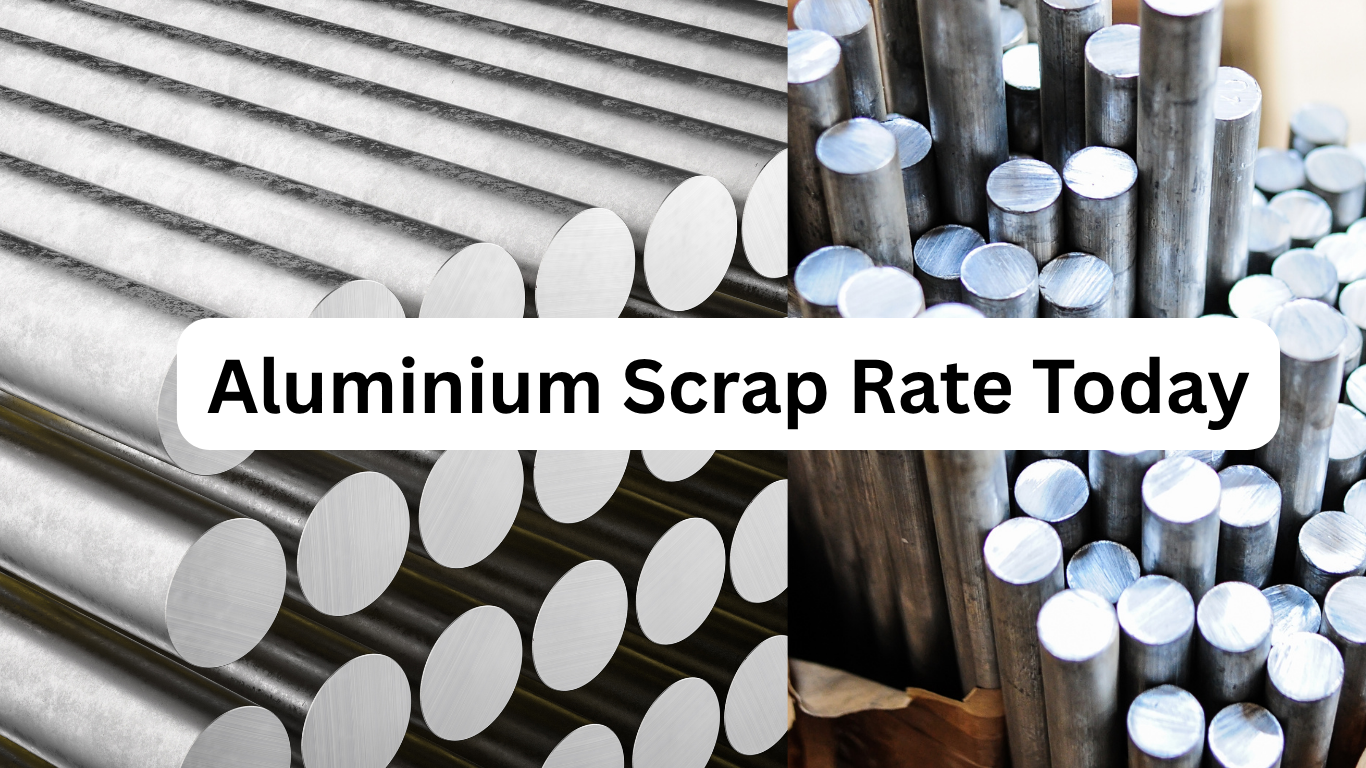
Keeping track of the Aluminium Scrap Rate Today has become more important than ever. Whether you are a scrap dealer, recycler, manufacturer, or even a small business owner, aluminium scrap prices directly affect profit margins and purchasing decisions. Aluminium is everywhere—from window frames and kitchen utensils to automotive parts and industrial machinery—so its scrap value moves the recycling industry in a big way.
What makes aluminium scrap especially interesting is how quickly its price can change. One day the rate is stable, and the next it jumps due to global demand, fuel costs, or policy changes. This article dives deep into today’s aluminium scrap rates, current market trends, and what influences prices behind the scenes. By the end, you will have a clear, practical understanding of how aluminium scrap pricing works and how to stay ahead in this competitive market.
Understanding Aluminium Scrap and Its Market Value
Aluminium scrap refers to discarded aluminium materials that can be recycled and reused. Unlike many other metals, aluminium can be recycled repeatedly without losing quality. This makes it highly valuable in the scrap metal market.
The Aluminium Scrap Rate Today depends on several variables, including scrap quality, alloy type, contamination level, and regional demand. Clean aluminium scrap fetches higher prices than mixed or painted scrap, while industrial-grade aluminium commands premium rates.
Why Aluminium Scrap Is in High Demand
Aluminium recycling uses significantly less energy than producing aluminium from raw bauxite ore. Because of this, industries increasingly rely on recycled aluminium to cut costs and reduce carbon emissions. This consistent demand helps keep aluminium scrap prices relatively strong compared to other non-ferrous metals.
Some key reasons behind its high demand include:
-
Lightweight and corrosion-resistant properties
-
Extensive use in automotive and aerospace industries
-
Growing focus on sustainable manufacturing
-
Lower energy consumption during recycling
-
Increasing construction and infrastructure projects
Aluminium Scrap Rate Today: Current Market Overview
The Aluminium Scrap Rate Today varies by region, scrap type, and market conditions. In general, rates fluctuate daily based on domestic supply and international aluminium prices. Urban areas with higher industrial activity usually offer better scrap rates due to increased competition among buyers.
Recyclers and traders often track aluminium ingot prices on commodity exchanges, as scrap prices closely follow primary aluminium trends. However, scrap rates are also influenced by local collection costs, labor charges, and transportation expenses.
Average Aluminium Scrap Price Range
While exact figures differ, aluminium scrap prices generally fall within a broad range depending on grade and purity. Clean extrusion scrap, old sheet scrap, aluminium wires, and alloy wheels often fetch higher rates compared to mixed or low-grade scrap.
Common aluminium scrap categories include:
-
Aluminium extrusion scrap
-
Aluminium sheet scrap
-
Cast aluminium scrap
-
Aluminium wire scrap
-
Aluminium utensil scrap
-
Aluminium engine parts
-
Old aluminium window frames
Each category has its own pricing structure, which makes it essential to identify scrap correctly before selling.
Factors Affecting Aluminium Scrap Rate Today
Understanding what drives aluminium scrap prices helps sellers and buyers make informed decisions. The Aluminium Scrap Rate Today is influenced by a combination of global, local, and economic factors.
Global Aluminium Prices
International aluminium prices play a major role. When aluminium prices rise on global exchanges, scrap prices usually follow. Conversely, a drop in global aluminium demand can pull scrap rates down.
Supply and Demand Balance
When aluminium scrap supply exceeds demand, prices soften. However, during periods of high industrial demand or limited scrap availability, rates increase. Seasonal factors also affect supply, especially in construction-heavy regions.
Fuel and Transportation Costs
Rising diesel and fuel prices increase transportation costs, which can push scrap prices higher. Scrap dealers often factor logistics expenses into their buying rates.
Government Policies and Trade Regulations
Import-export restrictions, recycling regulations, and environmental policies directly impact aluminium scrap trading. Any change in scrap import duties or recycling norms can shift market prices overnight.
Scrap Quality and Purity
Clean, sorted aluminium scrap commands better prices than contaminated or mixed scrap. Even small amounts of plastic, rubber, or steel can reduce the overall value.
Aluminium Scrap Rate Today by Scrap Type
Different aluminium scrap grades have different values. Understanding these differences can help maximize returns.
Aluminium Extrusion Scrap
Extrusion scrap is highly sought after due to its consistent alloy composition. It is commonly sourced from window frames, door profiles, and industrial structures.
Cast Aluminium Scrap
Cast aluminium, often found in engine blocks and machinery parts, usually has a lower price than extrusion scrap due to higher impurity levels. Still, it remains in steady demand.
Aluminium Wire Scrap
Aluminium cables and wires are popular in recycling markets. Clean wire scrap without insulation fetches better rates.
Aluminium Sheet and Foil Scrap
Sheet scrap from packaging, automotive panels, and industrial sheets is widely recycled. Foil scrap, however, often has lower value due to contamination.
How Often Aluminium Scrap Rates Change
The Aluminium Scrap Rate Today is not fixed. Prices can change daily or even multiple times a day in volatile markets. Large scrap yards and recyclers update their rates frequently based on market movement.
To stay informed, traders monitor:
-
Daily aluminium ingot prices
-
Local scrap dealer announcements
-
Industrial demand trends
-
Currency exchange fluctuations
Regional Variations in Aluminium Scrap Rates
Aluminium scrap prices differ from city to city. Industrial hubs usually offer higher rates due to competition among recyclers. Ports and export-oriented regions may also see better prices due to international demand.
Urban centers benefit from better logistics and higher scrap volume, while smaller towns may have limited buyers, affecting the Aluminium Scrap Rate Today locally.
Aluminium Scrap Rate Today vs Other Metal Scrap Prices
Compared to steel and iron scrap, aluminium offers higher per-kilogram value. However, copper and brass scrap often fetch even higher prices due to their conductivity and industrial demand.
Here is a simple comparison in terms of market value:
-
Aluminium scrap: Medium to high value
-
Copper scrap: Very high value
-
Brass scrap: High value
-
Steel scrap: Low to medium value
This balance makes aluminium scrap attractive for both small-scale collectors and large recyclers.
Tips to Get the Best Aluminium Scrap Rate Today
If you are selling aluminium scrap, a few smart practices can improve your returns.
Sort and Clean Your Scrap
Separate aluminium by type and remove contaminants. Clean scrap always attracts better prices.
Track Daily Rates
Monitor the Aluminium Scrap Rate Today regularly. Selling during a price upswing can significantly increase profits.
Choose the Right Buyer
Different scrap dealers offer different rates. Comparing multiple buyers helps you secure the best deal.
Sell in Bulk
Larger quantities often attract higher per-unit prices due to reduced handling costs for buyers.
Future Outlook for Aluminium Scrap Prices
The future of aluminium scrap pricing looks promising. With rising emphasis on recycling, sustainability, and lightweight materials, aluminium demand is expected to grow steadily.
Electric vehicles, renewable energy projects, and green construction are driving aluminium usage worldwide. As a result, the Aluminium Scrap Rate Today is likely to remain strong in the long term, despite short-term fluctuations.
Market experts believe that improved recycling technologies and stricter environmental laws will further boost aluminium scrap demand.
Common Myths About Aluminium Scrap Rates
Many people misunderstand how aluminium scrap pricing works. One common myth is that all aluminium scrap has the same value. In reality, grade, alloy, and cleanliness matter a lot.
Another misconception is that prices remain stable throughout the year. In fact, aluminium scrap rates are highly dynamic and influenced by global economic conditions.
Aluminium Scrap Rate Today for Small Collectors
Small scrap collectors often worry about competing with large traders. However, aluminium scrap remains accessible due to its widespread availability. Even household aluminium waste, when collected and sorted properly, can generate decent income over time.
By staying informed about the Aluminium Scrap Rate Today, small collectors can plan better and avoid selling at undervalued prices.
Role of Recycling Plants in Price Stability
Recycling plants play a key role in stabilizing aluminium scrap prices. They absorb large volumes of scrap and convert it into usable material, reducing dependence on primary aluminium production.
Their buying capacity often sets a benchmark for local scrap rates, influencing the broader market.
Environmental Benefits That Support Aluminium Scrap Value
Environmental awareness indirectly supports aluminium scrap prices. Recycling aluminium reduces landfill waste, saves energy, and cuts greenhouse gas emissions. Governments and industries increasingly support recycling initiatives, which keeps demand steady.
This environmental push ensures that the Aluminium Scrap Rate Today remains economically viable and socially relevant.
Conclusion: Why Tracking Aluminium Scrap Rate Today Matters
The Aluminium Scrap Rate Today is more than just a number. It reflects global market trends, industrial demand, and the growing importance of recycling. Whether you are a trader, recycler, or casual seller, staying informed helps you make smarter decisions and maximize value.
Aluminium scrap continues to be a reliable and sustainable resource in the metal recycling industry. By understanding pricing factors, monitoring daily rates, and following best practices, you can turn aluminium scrap into a consistent opportunity.
If you found this guide helpful, share it with others in the recycling or scrap trading community and keep the conversation going. Staying informed is the first step toward staying profitable.