
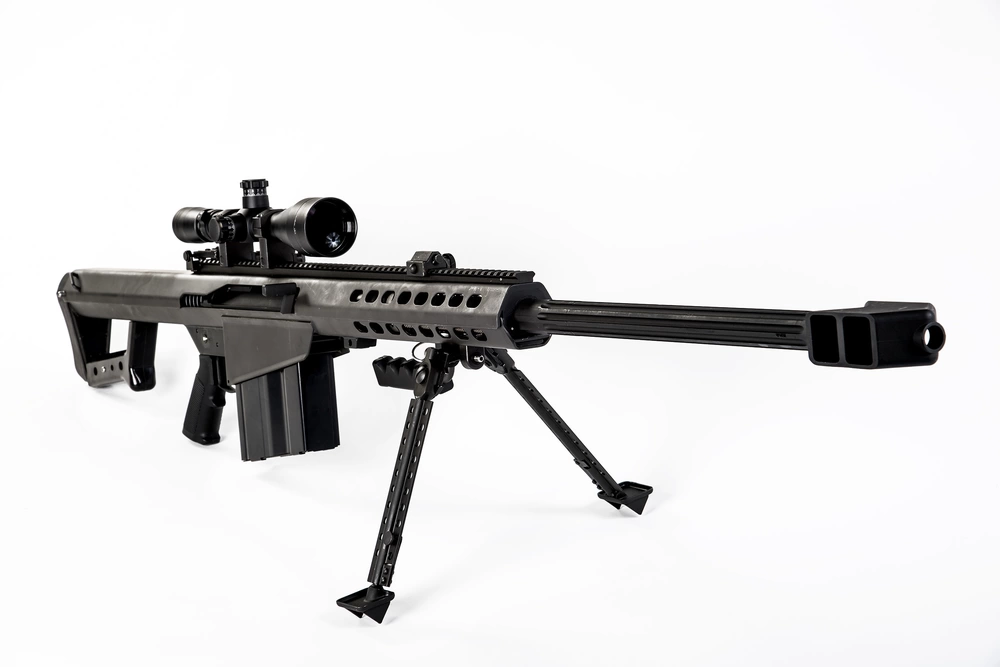
Owning a .50 caliber sniper rifle is a topic that sparks curiosity, debate, and no small amount of confusion. Some people imagine layers of secret permits and government red tape. Others assume it’s completely unrestricted. The truth sits somewhere in the middle. Understanding Legal 50 Cal Sniper Rifle Requirements is essential before you even think about purchasing one, especially if you want to stay compliant, stress-free, and on the right side of the law.
This guide breaks everything down in plain English. No legal jargon overload. No scare tactics. Just clear, practical explanations written for real people who want real answers.
Whether you’re a long-range shooting enthusiast, a collector, or simply researching firearm laws, this article will walk you through what’s legal, what’s restricted, and what varies depending on where you live.
What Is a 50 Cal Sniper Rifle?
Before diving into regulations, it helps to clarify what we’re talking about.
A .50 caliber sniper rifle usually refers to a rifle chambered in .50 BMG (Browning Machine Gun). These rifles are known for long-range accuracy, heavy recoil, and substantial size. Despite the dramatic name, many of these firearms are legally sold to civilians and are often used for:
-
Long-range target shooting
-
Competitive precision shooting
-
Firearms collecting
-
Extreme-distance marksmanship practice
They are not classified as automatic weapons, and they are not inherently illegal at the federal level.
Federal Law Overview for 50 Cal Rifles
At the federal level, the United States treats .50 caliber rifles much like other large-caliber bolt-action or semi-automatic rifles.
Under federal firearms law:
-
.50 BMG rifles are not classified as NFA firearms
-
They are not considered destructive devices
-
No special federal license is required to own one
-
Standard firearm background checks apply
This means that under federal law alone, owning a .50 caliber rifle is legal for most adults who can legally possess firearms.
However, Legal 50 Cal Sniper Rifle Requirements don’t stop at federal law. State and local regulations are where things can change dramatically.
Age Requirements for Legal Ownership
Federal law sets clear age thresholds:
-
18 years old to purchase a rifle from a private seller (state laws may vary)
-
21 years old to purchase from a federally licensed firearms dealer in some states
Certain states impose stricter age requirements, so it’s always important to confirm local statutes before attempting a purchase.
Background Checks and Eligibility Rules
Anyone purchasing a .50 caliber rifle from a licensed dealer must pass a background check conducted through the National Instant Criminal Background Check System.
Disqualifying factors typically include:
-
Felony convictions
-
Domestic violence convictions
-
Active restraining orders
-
Certain mental health adjudications
-
Unlawful drug use
If you are legally allowed to own a firearm, you are generally eligible under federal Legal 50 Cal Sniper Rifle Requirements.
State Laws That Restrict or Ban 50 Cal Rifles
This is where ownership becomes complicated.
While most states allow .50 BMG rifles, a few impose strict limitations or outright bans.
States With 50 Caliber Restrictions
Some states regulate these rifles due to their size, range, or perceived power. Restrictions may include:
-
Registration requirements
-
Special permits
-
Transportation limitations
-
Caliber-specific bans
California’s 50 Cal Law
California stands out as the most notable example. The state enacted legislation that restricts civilian ownership of .50 BMG rifles. Under California law:
-
New sales of .50 BMG rifles are prohibited
-
Existing owners must register qualifying firearms
-
Transfers and imports are heavily restricted
Other states occasionally introduce similar bills, though most have not passed.
Always verify current state law, as firearm legislation evolves regularly.
Magazine and Ammunition Regulations
Federal law does not limit magazine capacity for .50 caliber rifles. However, state laws may impose restrictions.
Common ammunition-related regulations include:
-
Armor-piercing ammunition restrictions
-
Sales limitations in certain jurisdictions
-
Transportation and storage rules
Ammunition availability also varies widely depending on location.
Transportation Rules You Should Know
Transporting a .50 caliber rifle legally requires attention to detail.
Best practices often include:
-
Keeping the firearm unloaded
-
Using a locked hard case
-
Separating ammunition during transport
-
Avoiding unnecessary stops in restricted zones
Some states require specific transportation methods, especially when crossing state lines.
Understanding this aspect of Legal 50 Cal Sniper Rifle Requirements can save you from serious legal trouble.
Storage Laws and Safe Handling Expectations
Safe storage laws exist to prevent unauthorized access, especially by minors.
Depending on your state, you may be required to:
-
Store firearms in a locked container
-
Use trigger locks or cable locks
-
Secure ammunition separately
-
Take reasonable steps to prevent theft
Even in states without explicit storage laws, responsible ownership is strongly encouraged.
Licensing and Permits Explained
In most states, no special license is required to own a .50 caliber rifle beyond standard firearm ownership rules.
However, some jurisdictions require:
-
Firearm owner identification cards
-
Purchase permits
-
Firearm registration
-
Waiting periods
These requirements apply regardless of caliber but still affect .50 caliber rifle ownership.
Can You Buy a 50 Cal Rifle Online?
Yes, but with conditions.
Online purchases typically work like this:
-
Rifle is purchased from an online seller
-
Shipped to a local licensed firearms dealer
-
Background check completed at pickup
-
State and local laws enforced at transfer
Private sales are regulated differently depending on location.
Common Misconceptions About 50 Cal Rifles
There’s a lot of misinformation surrounding these firearms.
Let’s clear up a few myths:
-
They are not military-only weapons
-
They are not banned nationwide
-
They do not require federal registration
-
They are not classified as explosive devices
Understanding facts instead of rumors makes navigating Legal 50 Cal Sniper Rifle Requirements far easier.
Why These Laws Exist
Regulations surrounding large-caliber firearms are often driven by:
-
Public safety concerns
-
Political debates
-
Perceived range and power
-
Infrastructure damage fears
Whether one agrees or disagrees, knowing the reasoning behind laws helps you anticipate future changes.
Practical Checklist Before Buying a 50 Cal Rifle
Before making a purchase, consider this checklist:
-
Confirm your state allows .50 BMG rifles
-
Verify age and eligibility requirements
-
Understand local transportation laws
-
Review storage responsibilities
-
Budget for ammunition and maintenance
-
Choose a reputable licensed dealer
This preparation ensures compliance and peace of mind.
Long-Term Ownership Considerations
Owning a .50 caliber rifle isn’t just about legality. Long-term considerations include:
-
Ongoing legal changes
-
Secure storage investment
-
Ammunition availability
-
Insurance considerations
-
Range access and policies
Many shooting ranges restrict .50 caliber firearms due to backstop limitations, so check ahead.
How Legal Requirements May Change in the Future
Firearm laws are constantly evolving. Bills affecting caliber restrictions are introduced regularly at state and federal levels.
Staying informed means:
-
Monitoring legislative updates
-
Joining responsible firearm owner communities
-
Consulting legal professionals when unsure
Proactive awareness is part of responsible ownership.
Final Thoughts on Legal 50 Cal Sniper Rifle Requirements
Understanding Legal 50 Cal Sniper Rifle Requirements isn’t about fear or politics. It’s about clarity, responsibility, and informed decision-making.
For most Americans, owning a .50 caliber rifle is legal under federal law. However, state regulations can significantly impact your rights and responsibilities. By taking the time to research, comply, and plan ahead, you can enjoy lawful ownership without unnecessary risk.
If you found this guide helpful, consider sharing it with others who may be confused by the same topic. Have questions or personal experiences with .50 caliber rifle laws? Drop a comment and join the conversation. Responsible ownership starts with informed discussion.